Data analysis has become the backbone of strategic decision-making in modern business. Over the years, I’ve witnessed countless companies transform their operations simply by learning how to interpret numbers correctly. Whether you’re running a small startup or managing a large enterprise, understanding your data can mean the difference between stagnant performance and exponential growth.
Every business generates data, but only those that analyse it effectively stay ahead. From customer behaviour patterns to sales trends, operational efficiency to market positioning, data tells stories that gut feelings simply cannot. This article draws on real-world observations and practical experiences working with businesses across industries, exploring how effective data analysis drives measurable growth and sustainable competitive advantages in today’s marketplace.
Understanding the Foundation of Data Analysis for Business Growth
Before diving into analysis techniques, you need to understand what business data actually encompasses. It’s not just spreadsheets filled with numbers. Data includes customer demographics, purchase histories, website traffic patterns, social media engagement, inventory levels, employee performance metrics, and financial transactions. I’ve seen business owners overlook valuable data sources simply because they didn’t recognise them as such.
For example, customer service call logs contain helpful information on product issues and customer pain points. Similarly, email open rates indicate optimal timing for communication. The key is recognising that every customer interaction, every transaction, and every operational activity generates data points. Once you start viewing your business through this lens, you’ll notice opportunities for analysis everywhere. The challenge then becomes organising this information systematically so it becomes accessible and actionable.
Setting Clear Business Objectives First
One common mistake I’ve observed repeatedly is that businesses collect data without clear objectives. They gather information because everyone says they should, then wonder what to do with it. Practical data analysis always starts with specific business questions. What are you trying to achieve? Do you want to increase customer retention? Improve profit margins? Expand into new markets? Reduce operational costs? Your objectives determine which data matters most and how you should analyse it.
When working with a retail client struggling with declining sales, we didn’t start by examining all available data. Instead, we identified the core question: why were repeat customers decreasing? This focused our analysis on customer purchase frequency, satisfaction scores, and competitive pricing. Within weeks, we identified shipping delays as the primary cause, not product quality or pricing issues as initially assumed.
Choosing the Right Metrics and KPIs
Not all metrics deserve equal attention. Key Performance Indicators should directly connect to your business objectives and provide actionable insights. I’ve seen dashboard overload paralyse decision-making when companies track everything but understand nothing. Focus on metrics that genuinely impact your bottom line. For e-commerce businesses, conversion rates, average order value, customer acquisition cost, and lifetime customer value typically matter most.
Service businesses might prioritise client retention rates, project profitability, and referral percentages. Manufacturing operations often focus on production efficiency, defect rates, and inventory turnover. The mistake many make is tracking vanity metrics that look impressive but don’t drive decisions. Social media followers mean little if they don’t convert to customers. Website traffic is meaningless without engagement and conversions. Select five to seven core KPIs that truly reflect business health and growth potential.
Collecting Quality Data Consistently
Data quality directly affects analysis accuracy. Garbage in, garbage out remains an eternal truth. I’ve encountered businesses making critical decisions based on incomplete or inaccurate data, leading to predictable disasters. Establish consistent collection methods across all channels. If your sales team records customer information differently from your website forms, you’ll struggle to get accurate customer profiles. Implement validation rules to prevent obvious errors.
Regular audits help identify inconsistencies before they compound. One manufacturing company I worked with discovered its inventory data was off by nearly 20 per cent because different warehouses used different measurement units. This discrepancy led to significant ordering errors and cash-flow issues. Once they standardised data entry procedures and implemented verification checkpoints, their supply chain efficiency improved dramatically. Invest time in creating data collection protocols that everyone follows religiously.
Utilising Data Visualisation Effectively
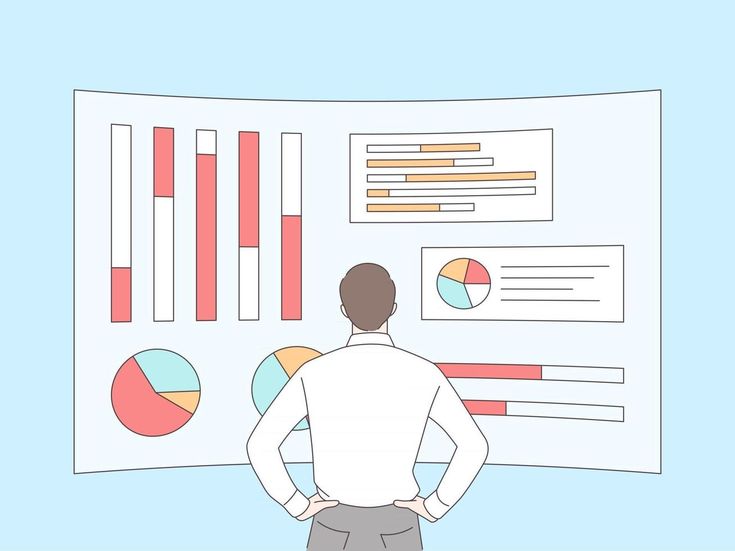
Numbers in spreadsheets rarely inspire action, but visual representations can transform understanding instantly. In my experience, executives and team members grasp insights much faster from charts, graphs, and dashboards than from raw data tables. Visualisation reveals patterns, trends, and outliers that numbers alone obscure. Choose visualisation types that match your data. Line graphs work beautifully for trends over time, bar charts compare categories effectively, pie charts show proportional relationships, and heat maps highlight intensity variations.
However, avoid creating complex visualisations that confuse rather than clarify. I once reviewed a dashboard so cluttered with different chart types and colours that decision-makers ignored it entirely. Simplicity wins. Focus each visualisation on communicating a single clear insight. Use consistentcolour schemes and labelling conventions. The goal is instant comprehension that prompts immediate questions or actions.
Identifying Patterns and Trends
Pattern recognition separates basic reporting from genuine analysis. Anyone can see that sales increased last quarter, but understanding why requires deeper investigation. Identify correlations among data points. When does customer churn increase? What factors correlate with higher purchase amounts? Which marketing channels deliver the best quality leads? I helped a subscription service discover that customers who engaged with their educational content in the first week had a 60%ention rate.
This rate wasn’t apparent from simple subscription numbers but emerged when we analysed behavioural patterns across multiple variables. Seasonal trends, customer lifecycle stages, product performance variations, and geographic differences all provide valuable intelligence. Use comparative analysis to benchmark current performance against historical data, industry standards, or competitor intelligence. Trend analysis helps predict future scenarios, enabling proactive rather than reactive management.
Segmentation for Deeper Insights
Aggregate data often hides crucial details that segmentation reveals. Breaking down your data by customer type, product category, geographic region, or time period uncovers specific opportunities and challenges. I’ve repeatedly seen businesses making decisions based on average performance that didn’t actually represent any real customer group. For instance, a software company found that its average customer paid $70 per month.
However, segmentation revealed two distinct groups: small businesses paying $25 and enterprises paying $200, with almost no one in the average category. This insight completely changed their marketing strategy and product development priorities. Segment customers by demographics, behaviour, profitability, and needs.Analyseproducts by margin, sales volume, and growth trajectory. Breaking data into meaningful groups enables targeted strategies rather than one-size-fits-all approaches that satisfy no one.
Predictive Analysis for Forward Planning
Historical data analysis tells you what happened, but predictive analysis suggests what might happen next. This forward-looking approach has become increasingly accessible even for smaller businesses. You don’t need sophisticated artificial intelligence systems to make reasonable predictions. Simple trend analysis, seasonal adjustment calculations, and correlation studies provide valuable forecasts. A restaurant client used historical sales data combined with a local event calendar to more accurately predict busy periods, improving staffing efficiency and reducing waste.
Weather patterns, economic indicators, industry trends, and competitor actions all feed into predictive models. The key is understanding that predictions are probabilities, not certainties. Build contingency plans around your forecasts. I always recommend scenario planning: what happens if predictions prove correct, optimistic, or pessimistic? This approach transforms predictions from academic exercises into practical planning tools.
Testing and Experimentation
Data analysis shouldn’t just explain past performance; it should alsoimprove future results through systematic testing. A/B testing, controlled experiments, and pilot programs let you validate assumptions before full-scale implementation. I’ve watched companies waste enormous resources rolling out initiatives that simple testing would have revealed as ineffective. An e-commerce business considering a website redesign tested different layouts with small traffic segments first.
They discovered that their proposed new designs reduced versions by 12%, avoiding an expensive mistake. Test pricing strategies, marketing messages, product features, and process changes. Ensure tests run long enough to capture representative data and account for variables such as day-of-week effects and seasonal variations. Document results systematically. Over time, this culture of experimentation builds organisational learning that compounds competitive advantages.
Technology Tools and Platforms
You don’t need enterprise-level systems to perform meaningful data analysis, but appropriate tools dramatically increase efficiency and capability. Spreadsheet programs remain surprisingly powerful for small to medium datasets. I still use them regularly for quick analyses and basic visualisations. However, as data volume grows, dedicated business intelligence platforms become necessary. Many affordable options now exist, designed explicitly for small businesses.
Customer relationship management systems, accounting software, and e-commerce platforms typically include built-in analytics. The key is actually using these features rather than just entering data. Evaluate tools based on your specific needs, technical capabilities, and budget. Overly complex systems often go underutilised. I’ve seen companies pay thousands for sophisticated platforms when simpler solutions would serve them better. Start with what you can actually implement and use consistently.
Building a Data-Driven Culture
Technology and techniques matter less than organisational mindset. Creating a culture where decisions are based on evidence rather than opinions or hierarchy drives sustainable growth. This cultural shift challenges many traditional business approaches. I’ve encountered resistance from experienced managers who trust their instincts over data, sometimes rightly so when data is incomplete. The goal isn’t to replace human judgment but to enhance it with solid evidence. Encourage questions like “What does the data show?” and “How can we test that assumption?” in meetings.
Share insights transparently across teams. Celebrate data-informed decisions, even when outcomes disappoint, because the process was sound. Provide training so team members understand basic data literacy. When frontline employees understand key metrics and how their actions affect them, engagement and performance typically improve. This democratisation of data access and understanding creates alignment that top-down directives never achieve.
Common Pitfalls to Avoid
Even experienced analysts fall into traps that undermine their work. Confirmation bias leads people to emphasise data that supports preexisting beliefs while dismissing contradictory evidence. I’ve caught myself doing this when deeply invested in particular strategies. Combat this by actively seeking disconfirming evidence. Correlation confusion is another frequent problem. Just because two things move together doesn’t mean one causes the other. Ice cream sales and drowning deaths correlate strongly, but ice cream doesn’t cause drowning; warm weather drives both.
Analysis paralysis strikes when perfectionism delays decisions indefinitely. Sometimes, good-enough data analysed quickly beats perfect data that arrives too late. Conversely, drawing premature conclusions from insufficient data creates additional problems. Balance speed with thoroughness based on decision importance and reversibility. Finally, neglecting context leads to misinterpretation. A sales spike might reflect a one-time bulk order rather than genuine growth.
Measuring and Iterating
Data analysis for business growth is never truly finished. Markets change, customer preferences evolve, and competitors adapt. What worked brilliantly last year might fail today. Establish regular review cycles for your key metrics and analytical approaches. I recommend monthly deep dives for most businesses, with weekly monitoring of critical indicators. Compare actual results against predictions to improve forecasting accuracy. When initiatives underperform, resist the temptation to blame execution without examining whether your analysis was flawed.
Continuous improvement applies to analytical processes just as much as operational ones. Document what you learn so knowledge accumulates rather than disappearing when people leave. Create feedback loops where results inform future analysis. This iterative approach gradually builds analytical sophistication, making your organisation increasingly intelligent and responsive. Growth comes not from one brilliant insight but from hundreds of minor improvements informed by consistent, data-driven analysis over time.
Conclusion
Data analysis for business growth isn’t reserved for large corporations with specialised departments. Any business that generates customer interactions and transactions has valuable data waiting to be analysed. The difference between businesses that thrive and those that struggle often comes down to how well they listen to their data. Start with clear objectives, focus on metrics that matter, ensure data quality, and build analysis into regular decision-making processes. Visualisation, segmentation, and testing transform raw data into actionable insights.
The tools matter less than the discipline of consistently asking better questions and seeking evidence-based answers. As you develop these capabilities, you’ll find yourself making decisions with greater confidence and achieving results with more consistency. Data analysis isn’t about replacing intuition and experience; it’s about enhancing them with objective evidence. In today’s competitive landscape, this combination of human judgment and data-driven insight creates sustainable advantages that fuel long-term growth.
FAQs
What’s the minimum data needed to start analysis?
You can begin with basic sales records and customer information. Even small datasets reveal patterns when analysed systematically over time.
How often should businesses review their data?
Monitor critical metrics weekly, conduct thorough monthly analyses, and perform comprehensive quarterly strategic reviews for balanced oversight.
Can small businesses afford data analysis tools?
Many free or low-cost tools provide substantial capabilities. Spreadsheets, basic CRM systems, and platform analytics effectively cover most small-business needs.
What’s the most significant data analysis mistake?
Collecting data without clear objectives wastes resources. Always start by defining the specific questions you’re trying to answer before gathering information.
How long before seeing results from data analysis?
Quick wins often appear within weeks, but building comprehensive analytical capabilities typically requires three to six months of consistent effort.