Over the last ten years, the world of business has transformed at its core, and information has become the currency that differentiates flourishing firms from those that fail. I have personally experienced this change while working with organizations that viewed analytics as unnecessary complexity. Online professional data analysis services have made data analysis accessible to everyone, especially companies that previously had to hire experts in dedicated analytics teams and were limited to Fortune 500 businesses.
Small enterprises, nonprofits, and medium-sized businesses can access world-class analytical skills and experience without the overhead of full-time staffing or the high cost of consulting agreements. This change resulted from cloud computing, which made data storage cheaper and easier, made analytical tools more accessible, and enabled remote collaboration with specialists wherever in the world they were.
The companies that take advantage of such services need not be the largest or better financed; they are those that recognize that fact-based decisions, grounded in reality, consistently outperform gut-instinct-driven choices, no matter how experienced the decision-maker is.
The Actual Deliverables of Professional Services.
When taking their first steps with online data analysis services, businesses often lack a clear understanding of what they will receive. Having done it for years across various industries, I can confirm that the scope typically encompasses several interrelated elements. The basis is data audit and preparation, which involves measuring what you have, identifying any quality issues, and converting raw data into analyzable formats.
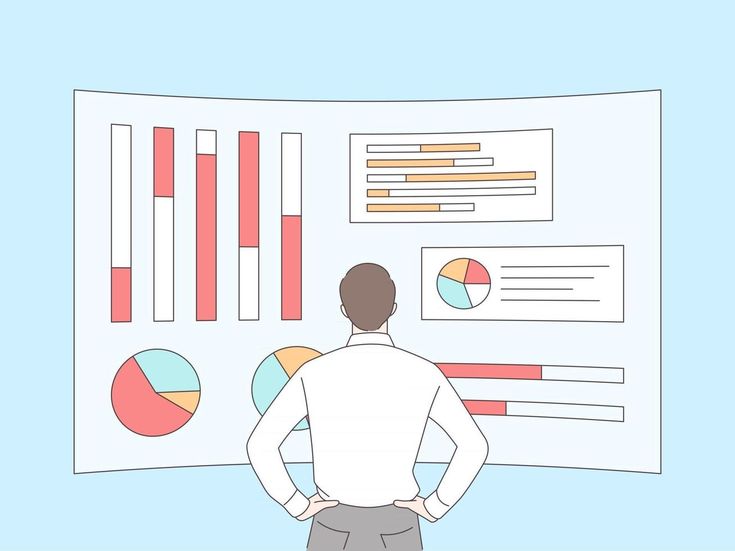
This is not a glamorous work, which may absorb forty to fifty percent of the time taken in the project, but defines all that comes after that. Statistical analysis uses the proper methodologies to answer your specific business queries, including customer segmentation, trend forecasting, performance benchmarking, and hypothesis testing. Visualization will convert complex findings into charts, dashboards, and graphics that non-technical stakeholders can quickly interpret.
Written reporting puts numbers into context with your business reality, not only what you see by the numbers, but what the numbers represent and what they recommend you do. The finest providers are not just spreadsheets and graphs; they are also strategic consultants who can translate analysis results into actionable recommendations aligned with operational strengths and business goals.
The industries that can gain the most significant advantages from online analysis include:

E-commerce and Retail Applications.
Retail companies generate large volumes of transactional data that are not fully utilized without proper analysis. Online professional data analysis services enable retailers to understand buying trends, optimize on-stock data, cross-sell, and predict demand more accurately. The online fashion retailer I was working with faced high inventory costs and frequent stockouts of trendy products. Based on analysis of their sales history, seasonal trends, and product features, it was observed that their purchasing behavior was overly reliant on buyer intuition rather than actual performance data.
Our predictive models reduced overstock by 34% and stockouts by 28% in one season. The customer lifetime value analysis helps retailers determine which acquisition channels and customer segments are worth marketing investment. Elasticity and competitive positioning are determined bthroughpricing optimization. Studies.
The Cart abandonment analysis identifies friction points in the purchase process. Geographic performance comparisons indicate expansion opportunities and areas that are underperforming and need to be addressed. In retail, the competitive landscape makes analytical advantages especially valuable, as margins are typically low and customer acquisition costs continue to rise across most categories.
Health and professional services.
Healthcare organizations and professional services firms face specific data analysis challenges that require the specialized expertise of professional online data analysis services. Patient outcome evaluation, operational efficiency research, and resource distribution optimization help health care providers enhance the quality of care while managing costs. I have examined clinical, operational, and billing data to determine the treatment protocols, patient wait time, and revenue cycle management.
The healthcare regulatory landscape requires analysts who are conversant with HIPAA compliance and privacy considerations, which general business analysts typically do not need to know. Professional services companies such as law firms, consulting firms, and accounting firms find the utilization analysis indicative of billable-hour distributions, client profitability analysis indicating which relationships result in sustainable margins, and pipeline forecasting informing capacity planning.
A study by a consulting firm I worked with found that their smallest clients consumed partner time relative to the partner time charged, and that mid-sized clients were the most profitable. They redefined their business development focus, resulting in a 19% improvement in overall profitability without increasing revenue.
The Choice of the Provider of the Service.
Assessing Qualifications and Experience.
Selecting professional data analysis services online requires careful evaluation, as provider quality varies widely in this fragmented market. Academic qualifications are a factor, but not the whole story. I have had PhD statisticians who could not communicate technical analysis in business language and self-educated analysts with very high practical abilities. Find a proven track record of working with companies of similar size, industry, and level of analytical maturity.
Request case studies with real problems resolved, rather than technical capabilities posted. In initial discussions, it is essential to determine whether providers are asking probing questions about your business before offering a solution. Analysts who propose methodologies before getting to know you are merely following templates and not tailoring their approaches to your needs.
References from former clients, including how well it communicated, whether it met deadlines, and whether the deliverables were actionable. Analytics platforms, statistical techniques, or industry-specific certifications are indicators of a commitment to continuous skill development. Watch out for suppliers who promise you a few things before they review your data- real providers understand that data quality and access limit the level of what is really possible.
Service Models and Pricing.
Online professional data analysis services are offered under various business models and pricing structures to meet diverse client requirements. Projects are practical when the scope is clear, and the outcomes are defined and deliverable-focused, such as a customer segmentation study or a marketing attribution study. These typically range from $2,000 to $15,000, depending on complexity, data volume, and deliverables.
Hourly rates will range from $75 to $250, depending on the expertise and specialization required for exploratory work or ongoing support. Monthly retainers are appropriate for businesses that require daily analysis assistance, have predictable expenditures, and have dedicated capacity. I have planned retainers ranging from 3,000 to 20,000 per month for small to mid-sized companies.
Others have subscription plans with standard deliverables and a set monthly fee, and these models are effective for companies that require regular reporting and do not want personalized analysis. Know what is in quoted prices- is it also data preparation and revision rounds and follow-up questions, or is this charged separately? Transparency about scope, schedule, and cost reduces disappointment and conflict when expectations are not met.
Common Engagement Process and Schedule.
Most professional data analysis services online follow a standard workflow, but some details vary by provider and project type. Introduction calls assess whether the analyst is familiar with your business environment and whether the knowledge base aligns with your business. This stage must be more of a conversation than a sales pitch, and it always takes considerable time to understand how clients operate, what their challenges and goals are, before I can discuss what I can provide.
Assuming both parties see fit, you will likely be presented with an opportunity that includes details on scope, methodology, deliverables, timeline, and required investment. After being engaged, data transfer and evaluation follow. You will make the relevant systems or data files available or export them, and the analyst will determine what is available, identify any quality issues, and may occasionally request additional information to be included in the overall analysis.
The analysis step involves applying the methodology, exploring patterns, and refining the approach as preliminary results raise new questions. Communication at this stage varies: some clients prefer weekly updates, while others prefer to be kept as much in the dark as possible until their results are available. The final deliverables typically include detailed reports, visualizations, and a presentation summarizing the significant findings and recommendations, often including a walk-through of these findings. The most effective engagements will consist of post-sale services to clarify and address questions during implementation, guided by the findings.
Data Confidentiality and Data Security.
The issue of providing sensitive business data to online professional data analysis services is a valid security concern. Trustworthy providers have robust security measures, such as encrypted data transfer via secure file transfer systems or VPNs, rather than via email attachments. You should store data in encrypted cloud systems or on secure servers with access controls that restrict access to your information.
I use varying security measures across data sensitivity levels: publicly accessible information is protected with standard controls. In contrast, healthcare and financial information that complies with HIPAA or PCI DSS is protected with additional controls in accordance with the regulations. The use of confidentiality agreements ought to be the norm, as it binds the analysts legally to safeguard your proprietary information.
Inquire directly about the policies of data retention – how long will they maintain your data when the project is complete, and what data removal procedures will ensure that your data is no longer retained indefinitely? For highly sensitive information, some providers may operate within your secure environment rather than transferring data to a third-party system.
Specific compliance requirements, such as the GDPR for European client data and the CCPA for California residents, require analysts who are well-versed in industry-specific regulations. Do not expect everyone to be familiar with these nuances; ensure you ask providers about their security infrastructure and compliance experience before disclosing any sensitive data.
Maximizing Analytical Investment Return.
The mere receipt of analytical deliverables will not, in itself, create business value; implementation will make the difference between valuable analysis and costly reports that gather dust. Figure out who will appear in the findings and how the results will be implemented in the real decision-making process before using the services of professional data analysis online. I have seen companies invest in strong analysis, but the insights did not translate into action because no one owned the implementation, or the organization was not ready to change.
Enforce accountability to act on recommendations: modify the marketing strategy, pricing, product mix, or redirect resources. Findings in documents that stakeholders can access when they require such information, at their level dashboards to monitor progress, executive summaries to guide leadership decisions, and technical reports to provide the teams carrying out the changes with detailed information. Communicate with other departments, as analytical results can be used in areas that did not commission the research.
Establish a warehouse where analysis can reside and be searchable, rather than languishing in people’s email inboxes. Follow-up review of schedules and analysis of which recommendations were implemented and what the results were. This responsibility cycle enhances future analytical tasks by enabling analysts to understand the approaches that can deliver the most significant business outcome in your situation. Companies that derive maximum value from analytical services treat them as continuous competencies rather than projects.
Overall Problems and Solutions.
Several recurring challenges undermine the value businesses derive from online professional data analysis services, yet awareness can help prevent costly frustration. Unrealistic beliefs about analytical certainty create issues when clients hold expectations about answers to inherently uncertain questions. Statistics indicate trends and likelihoods rather than predictions. Informing a decision is best done through analysis, but it does not eliminate risk or guarantee outcomes.
The low quality of data restricts analytical opportunities- garbage in, garbage out cannot be countered by sophisticated analytic capabilities. When using data that is inaccurate, vaguely defined, or has significant gaps, address these issues before attempting to gain a deep understanding. Technical analysts and business stakeholders often do not communicate in the same language, leading to breakdowns. Good analysts can explain complex methods in business terms; however, the client must take time to learn basic analytical principles.
Scope creep occurs when preliminary projects are extended without a corresponding budget adjustment as new questions arise from preliminary results. The most insightful analysis may be derailed by change-management resistance if the organizational culture is not open to the rigor of data-driven decision-making. I have seen flawless analyses fail because they ran counter to entrenched beliefs that were uncritical of key stakeholders.
Frequently Asked Questions
What would a typical professional data analysis online cost?
Costs can vary widely, with project rates ranging from 2,000 to 15,000 or 75 to 250 per hour, depending on the complexity, level of expertise, and scope of deliverables. Retainers typically range from 3,000 to 20,000 per month to support the client.
What is the average duration of an analysis project?
Fundamental analyses may take one to two weeks, whereas complex projects across multiple business sectors may take four to eight weeks from start to final deliverables and recommendations.
What data do I need to provide?
Requirements vary by project; however, in most cases, they include transaction records, customer details, operational metrics, and any external data needed. Analysts evaluate what can be discovered and identify gaps.
Is it possible to manage sensitive or regulated data using online services?
Yes, credible providers have robust security infrastructure and appropriate certifications for healthcare (HIPAA), financial (PCI DSS), and privacy (GDPR, CCPA), where applicable.
How do I determine whether the analysis quality is good?
Find intelligible descriptions of the methods used, suitable statistical rigor, practical suggestions, the limitations that are mentioned, and analysts who do not present their findings with cryptic business jargon only.