Knowledge of Psychometric Properties of the Scale
So, What Are Psychometric Properties?
Psychometric properties refer to the effectiveness of a measurement scale in assessing beliefs, behaviors, or attitudes. These characteristics allow scholars to make a conclusion about the reliability of a scale.
A scale with high psychometric properties provides stable, meaningful, and high-quality results across different settings and with various groups of people.
Why Psychometric Properties are Important in Research.
Psychometric properties are important since they help to establish whether a scale does what it purports. Good evidence makes the results reliable and minimizes mistakes and misunderstandings.
Scales that are trustworthy and sound enable researchers to make reliable comparisons, make sound decisions, and come up with studies that are trusted and replicated with ease by other experts.
Investigating Reliability in Measurement Scales

Types of Reliability
Reliability is concerned with the consistency of a scale. In the case of high reliability, scores do not change over time, individuals, or situations. Various kinds of reliability assist a researcher in comprehending a number of issues of stability.
The types provide different insights as to the consistency of the measurement tool in actual research conditions.
Alpha (Internal Consistency)
Internal consistency measures the relationship of items in a scale. This is normally done using Cronbach’s Alpha. The high value indicates that the items are effective measures of the same concept.
High internal consistency implies that the participants will give the same responses, which enhances the certainty of the overall quality of the results of the scales.
Test–Retest Reliability
Test-retest reliability measures the ability of a scale to yield similar results at various times. In case the scores are similar, the tool will be regarded as stable.
This reliability is relevant in those situations when one is gauging traits that are not changing rapidly, e.g., personality or long-term attitudes.
Inter-Rater Reliability
Inter-rater reliability looks at the consistency with which the various observers or raters give related scores. This is necessary in any research that would involve human judgment.
Those who concur in the rating indicate that the scale provides clear guidelines and minimises errors that may arise through individual bias or different interpretations by different people.
Analyzing Scale Validity.
What Is Validity?
Validity is the degree to which a scale measures the concept that it is intended to measure. A valid scale gives viable results in which the results are a true reflection of behavior or opinion.
In cases where the researcher has strong validity, he or she can rely on the results and be able to apply them in reports, interventions, and scientific conclusions.
Content Validity
Content validity is where every critical aspect of a concept is covered in the scale. Items are generally reviewed by experts to ensure they are covered.
This is done to eliminate omissions. With high content validity, the scale is capable of covering the topic as a whole and facilitating more stringent research results in general.
Construct Validity
The construct validity is a test of whether a scale is actually measuring the concept that it purports to measure. This is through the comparison of outcomes with similar ideas.
Excellent construct validity indicates that the scale behaves as theory suggests. It assists the researchers in ensuring that the measurement device measures what they intended to measure psychologically or behaviorally.
Criterion-Related Validity
Criterion-related validity is used to determine the predictive ability of a scale with regard to actual life behavior or the ability to correlate with other existing scales.
When a scale is found to correlate with established results, it can be said to possess a high level of predictive power. This validity is important to researchers as it demonstrates that the tool is useful in applied and practical research environments.
Face Validity
Face validity explains how effective a scale seems at first sight. Whereas it is not a statistical indicator, it assists in making sure that items are visible and comprehensible to the respondents.
Good face validity enhances the trust in the participants, and good participants would respond with honesty, and it makes the measurement process easier.
Factor Analysis as a Psychometric Technique
EFA: Role of Exploratory Factor Analysis.
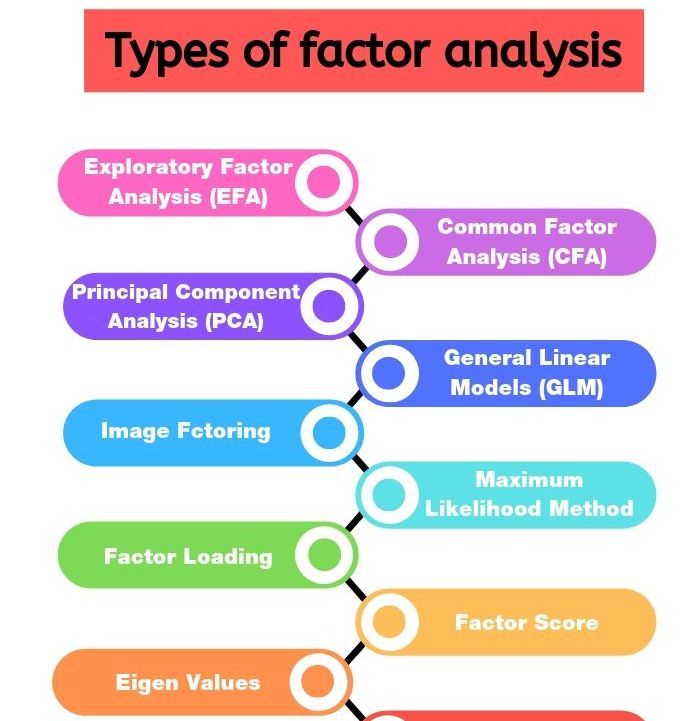
Exploratory Factor Analysis is used to determine the pattern of items. It clumps related questions into each other to bring out the structure of a scale.
EFA can also be applied in the development of new tools, as it indicates what should be put together and what can be improved or dropped.
Confirmatory Factor Analysis (CFA) Role.
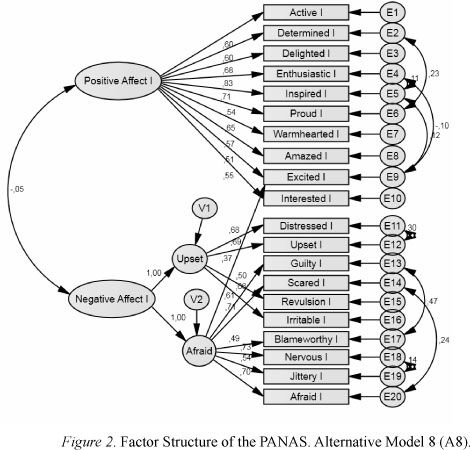
Confirmatory Factor Analysis is used to check how the data can be described with a desired structure. CFA is used after EFA by researchers to validate item relationships.
The model fit is good, indicating that items are measuring what they are supposed to measure. This gives confidence in the design and theoretical backdrop of the scale.
Factor Loadings Factor Loading Interpretations
Factor loadings indicate the strength of the connections between the items and their factor. The more the loadings, the better the performance of the item.
Lowly loaded items can deter the respondents, or they may not be able to capture the intended thought. Factor loading reviews can be used to narrow down the final scale and increase the accuracy of measurement.
Process of Scale Development and Testing

Refinement and Development of Items.
The first stage of the development process is the review of the literature, the identification of significant concepts, and the clear statements. The products are perfected by expert input and testing.
This is to ensure that the questions are formulated in a way that is indicative of the construct and at the same time are formulated in a manner that participants can comprehend and give responses that are comfortable to them.
Pilot Testing for Accuracy
Pilot testing involves testing the functionality of items prior to research. It assists in pointing out ambiguous phrasing, imprecise directions, or feeble aspects.
Participant feedback is very insightful. Pilot testing makes sure that the scale produces the right answers and minimizes the possible issues at the time when collecting the official data.
Item Reduction Techniques
The item reduction eliminates redundant or poor items according to the statistical outcomes and the evaluation of experts. The decision is informed by techniques such as factor analysis and correlation test.
Elimination of poor items enhances the scale, enhances the clarity, and makes the remaining statements meaningful in the process of measuring the construct.
Assuring that Scale Is Culturally Appropriate.
Translation and Back-Translation
The scales are precise across languages with the help of translation and back-translation. To begin with, products are translated into a new language.
They are then translated by a different professional translator of the original language. Differences are resolved. The process maintains meaning and avoids cultural misunderstanding in the process of research.
Cross-Cultural Adaptation
Cross-cultural adaptation modifies the items to the cultural norms, beliefs, and expressions. It transcends translation through the social context.
This will be done to ensure that respondents with various backgrounds make correct interpretations regarding items. Any appropriate adaptation enhances the level of fairness and enhances the global utility of the scale.
Typical Problems in Psychometric Testing.

Sampling Issues
Sampling problems arise when the group of participants does not reflect the target group. Inaccuracy is caused by poor sampling and restricts generalizability.
The consideration of proper sample size and diversity assists the researchers in collecting reliable data that represent the broader groups well and enhances the quality of measurements.
Minimal Reliability and Validity Scores.
Poor reliability and validity scores are indications of issues with the scale. Products can be ambiguous, out of place, or not designed well.
Researchers have to re-check wording, deletion of weak items, or gather additional information. To enhance the scale, it is important to improve these scores to make it a powerful and reliable measure.
Meno: You must explain what it is that you have misunderstood.
Misinterpretation occurs when researchers portray the results of a scale in the wrong way. This can be due to poor psychometric evidence or training deficiency.
Effective reporting, analysis, and scrutiny will also assist in the avoidance of errors. Proper interpretation makes sure that results are not just any but will help come up with good research decisions.
Conclusion
The existence of strong psychometric evidence makes a scale reliable, accurate, and meaningful. In the case of high reliability and validity, the researchers can rely on their data and make decisions.
Critical testing, refinement, and appraisal reinforce the scientific research measurement process as well as enhance quality scientific research.
FAQs
What is the relevance of psychometric properties in research?
They make a scale measure reliable and consistent.
What improves scale quality?
Pilot, item construction, and high validity.
Why is Cronbach’s Alpha used?
It verifies the internal consistency of items.
What does factor analysis do?
It determines or establishes the structure of scale items.
How can reliability differ from validity?
Consistency is evaluated by reliability, and accuracy is checked by validity.